
Curatorial fan practices are behaviors that collect, archive, and collage pieces of media like photos, videos, newspaper articles, interviews, social media posts, and “fan lore.” These are different than transformative fan works which iterate on and remix original texts (fan art, fanfiction, fancams, etc.). Although the boundary between these two categories is definitely permeable, I want to look at curatorial fan practices on their own terms here.
In the modern era, you might think of something like a stan Twitter account as one of the more obvious examples of an online fan scrapbook. Practices like these let fans explore their identities through the act of curation, which provides insight into what objects, people, and ideas they want to surround themselves with. When done in a community, these practices also serve an important archival function that carries fan lore and culture across time.
Here, you might ask: "Ella, why the hell are we talking about hundred-year-old lesbian movie scrapbooks in a project about 2000s emo?" The simplest answer is that emo fandom is a curatorial subculture driven by women and queer people. It is not the first, and it will not be the last. These remix-driven, secretive, archival practices have long histories and long futures. They will outlive us all. With any luck, some of the things we make in our most desperate fan moments might just outlive us as well. I can only hope that a girl centuries from now will burst into tears scrolling through my personal Gerard photo archive, just like I did when I read through these scrapbooks for the first time.
Welcome to EARLY-HOLLYWOOD FANDOM 📽️
This was by no means the first time that girls were fans of stuff, but I like this as our starting point because it was the first time that girl fandom, pop culture, the moving image, and industry marketing strategy overlapped. At this time, the emerging cinema industry also started targeting white middle class girls as their ideal audience, largely because they believed that this group had both the willingness and the money to buy photographs of their favorite hot movie stars. The industry intensely relied on these girls as a source of profit, but also publicly belittled them as “movie-struck girls” who were too feeble-minded to handle the magic of the moving image, which made them hysterical and out of control. This stereotype then later evolved into modern “fangirls,” who are usually still assumed to be white and economically-advantaged, and still hold up entire media industries that do not respect them as people simply because they are women.
During this period, young women across America were widely engaged in a robust fan scrapbooking practice that centered around early-Hollywood media culture. These handmade books included things like like magazine clippings, newspaper articles, fan letters, and photos of their favorite movie stars. In this cut-and-paste subculture, fan scrapbooks functioned simultaneously as personal archives and dream journals. By playing around with their favorite media properties and celebrity personalities, these girls could self-construct identities and imagine who they wanted to become. In her book A Queer Way Of Feeling, Diana W. Anselmo writes extensively on this phenomenon and shows how young women in this era used fan scrapbooking to explore their erotic desire for other women.
“Movie-fan scrapbooks and their kissing cousin, movie-illustrated diaries, operate as concurrent archives of ephemerality and queerness. Structurally, the scrapbook lends itself to staging the heated, fitful, and shapeshifting nature of adolescent desires. A multimedia artifact defined by its personal affective voltage and shrouded in idiosyncrasy, the scrapbook has been imagined as having an elemental affinity with queer identity…both are centered in introspection, intimacy, and auto-biographical disclosure, both understood as requiring a distinct cipher to be made readable to a mass audience, their message calibrated to knowing sets of eyes (whether those of the scrapbook-maker, a close friend, a star, another fan, or another queer subject). The dual motion of making itself momentarily legible while remaining cloaked under plausible deniability brings sentimental writing near to queerness, and queerness near to ephemera, all sharing an openness to possibility, interpretation, and impermanence.”1

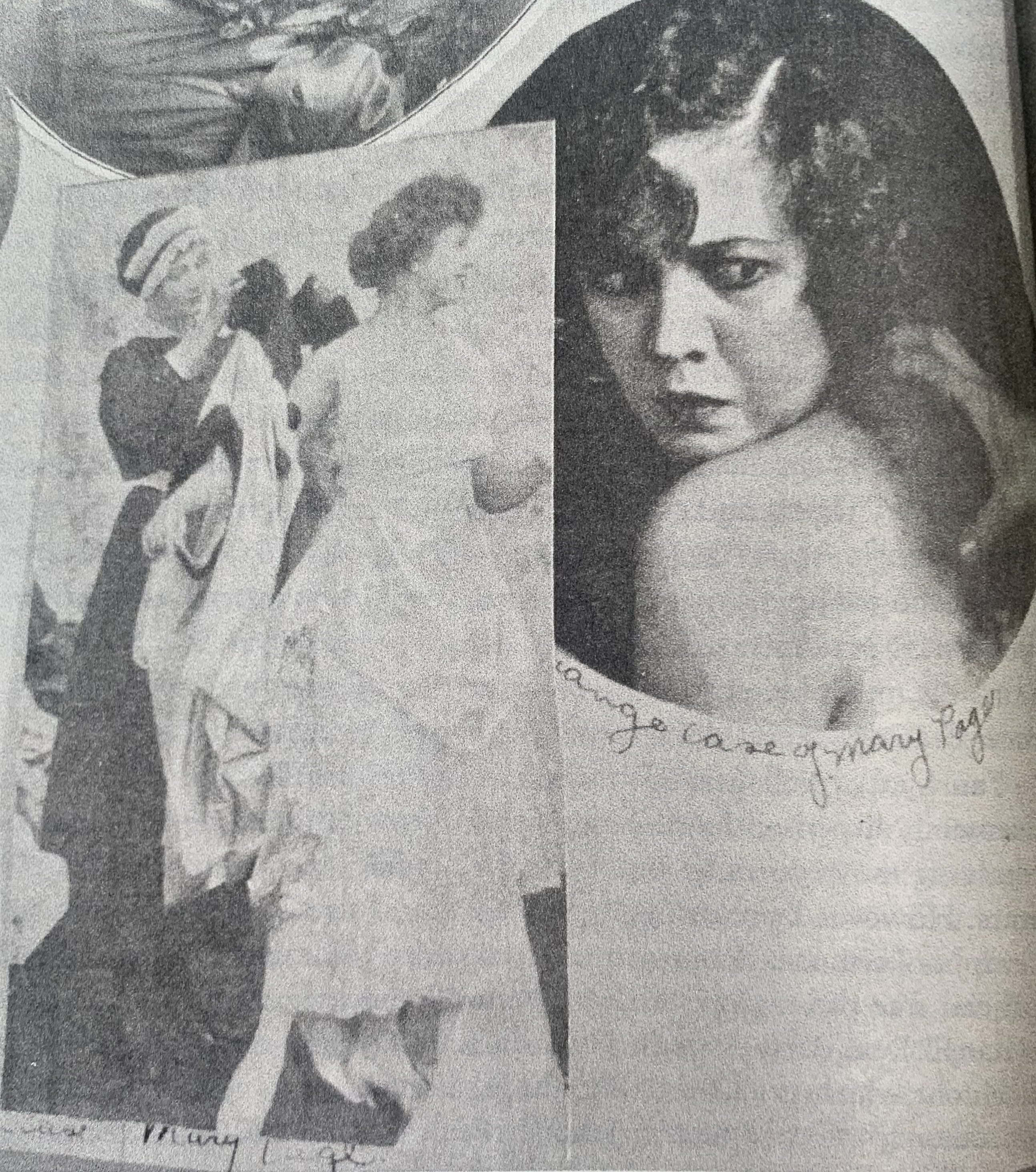
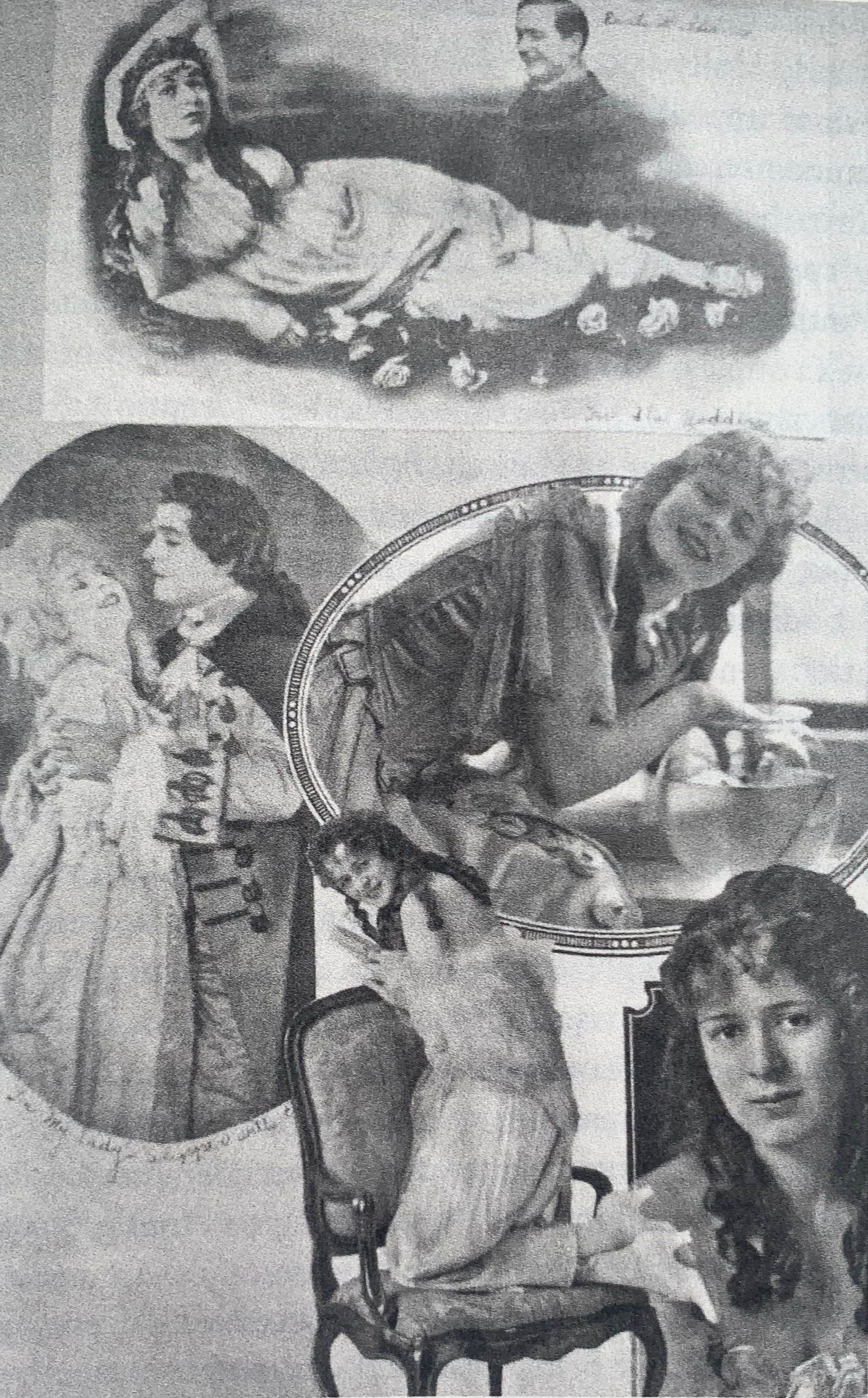

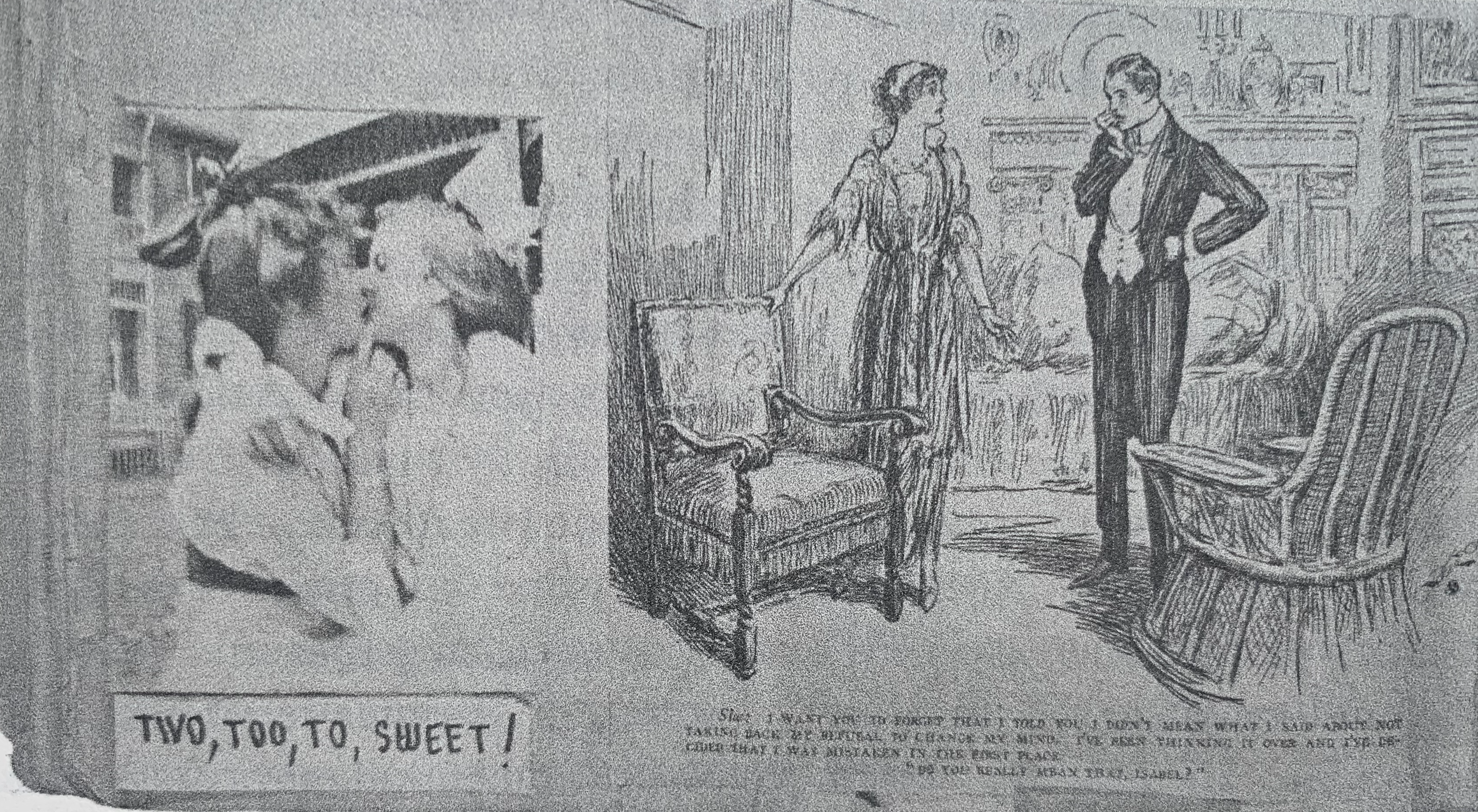
Images courtesy of Diana W. Anselmo, A Queer Way of Feeling


Images courtesy of Dave's Archive on Flickr
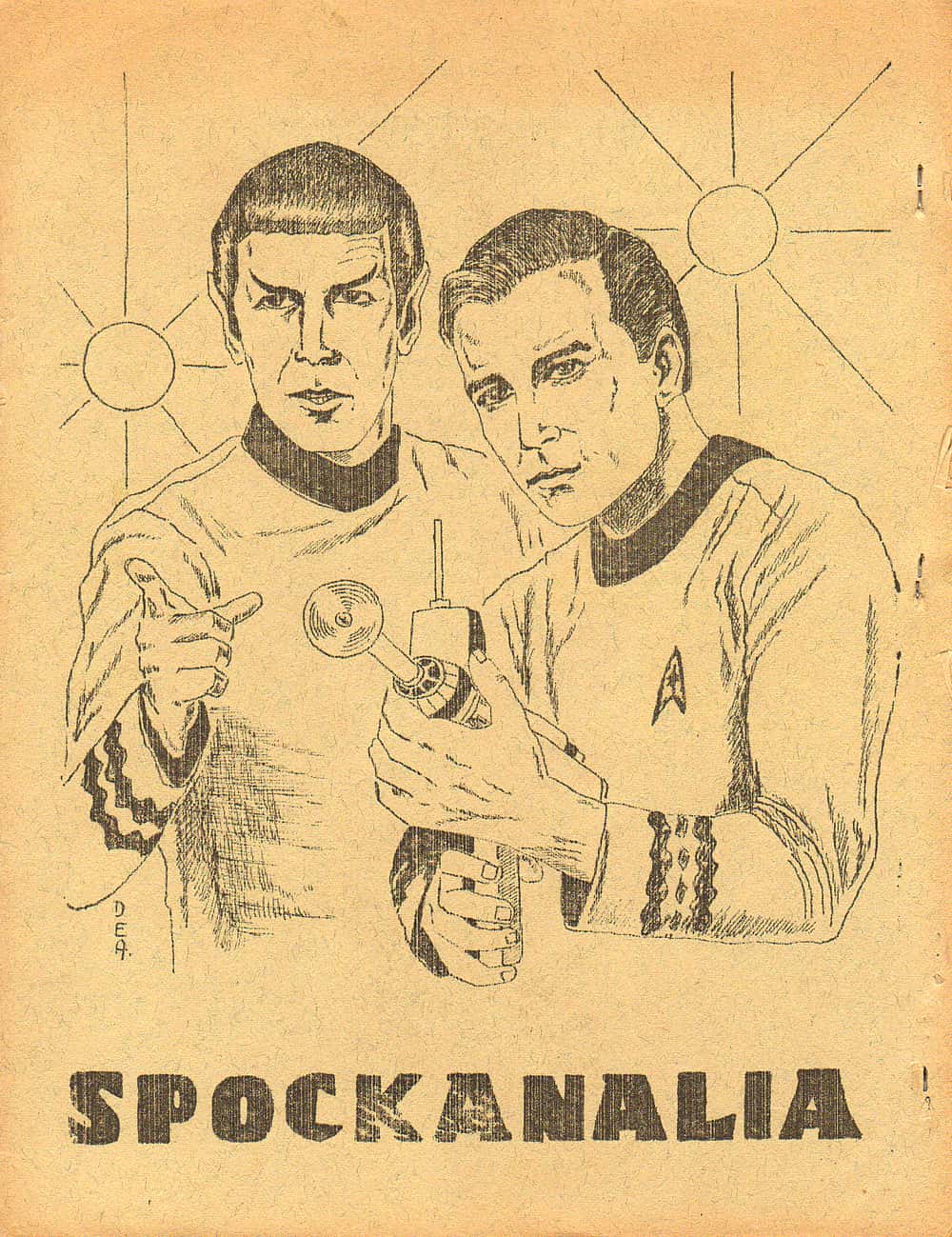
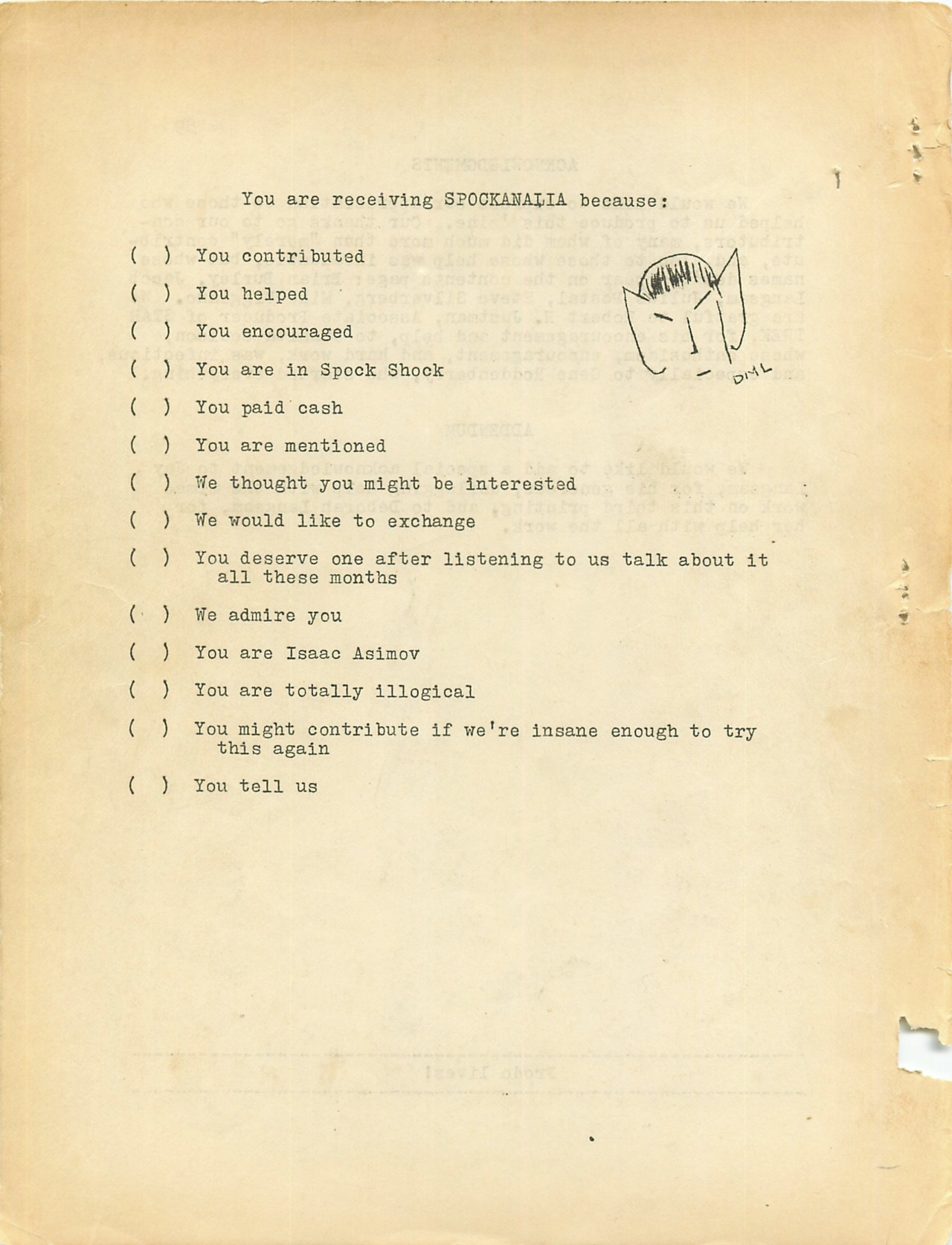
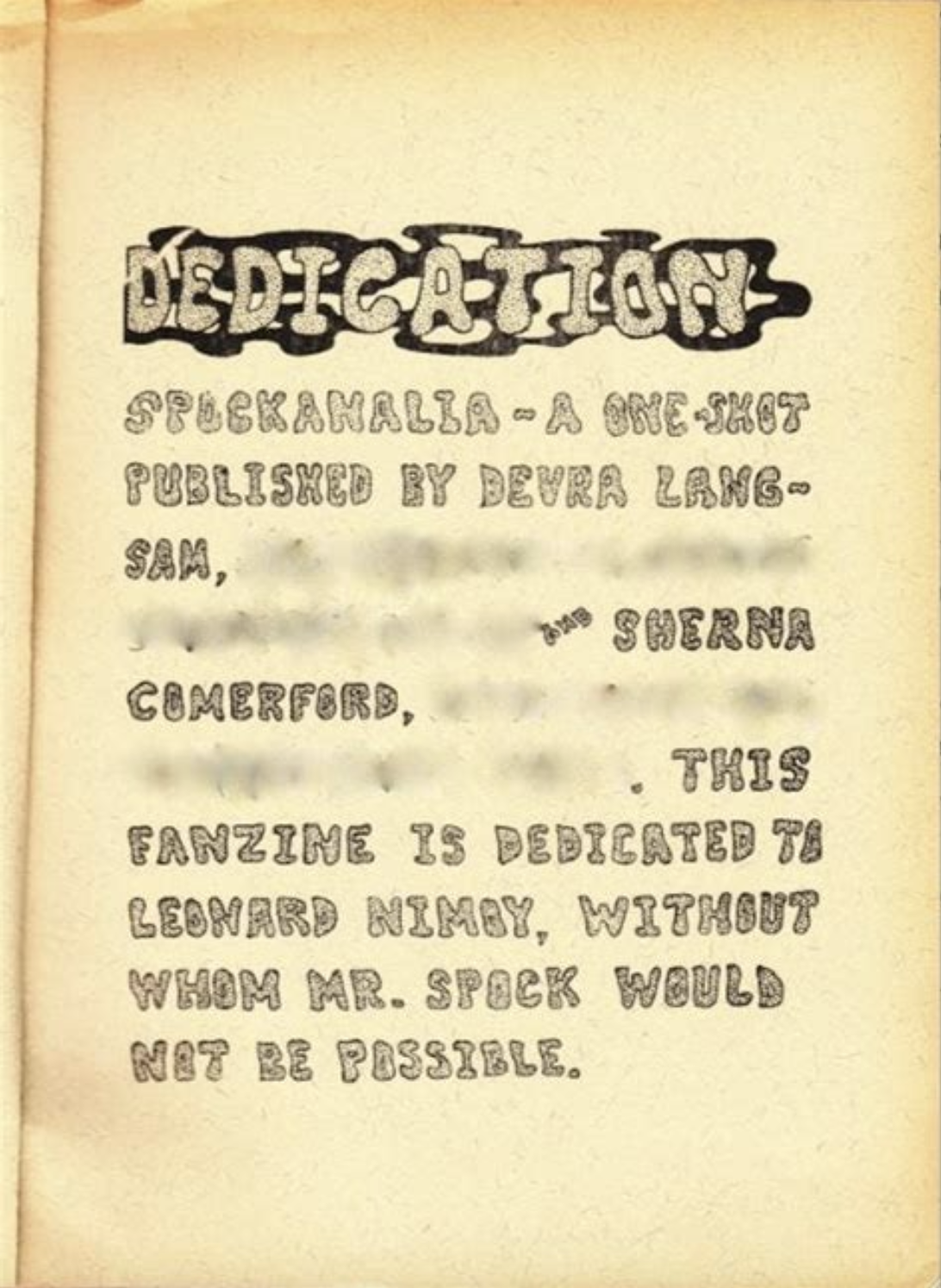

Excerpted from fanbyte.com
Although Star Trek fanzines were not a specifically girl-oriented phenomenon, I’ve included them here because girls were writing a lot of very exciting Kirk/Spock fanfic in this era. In this pre-internet age, girls often mailed fanfic and fanzines to each other, creating extensive fan networks via the USPS.
Learn about the Nimoyan-Spock's Scribes here.
Homeground (Kate Bush fanzine)
Homeground is not technically a riot grrrl or queercore zine, nor was it started in the 90s. But I’m putting it here anyway because I bought one of these in real life at Hollywood Vintage in Portland, OR and I love it so much. And Kate Bush is lesbian culture, so it counts.


Excerpted from katebushencyclopedia.com
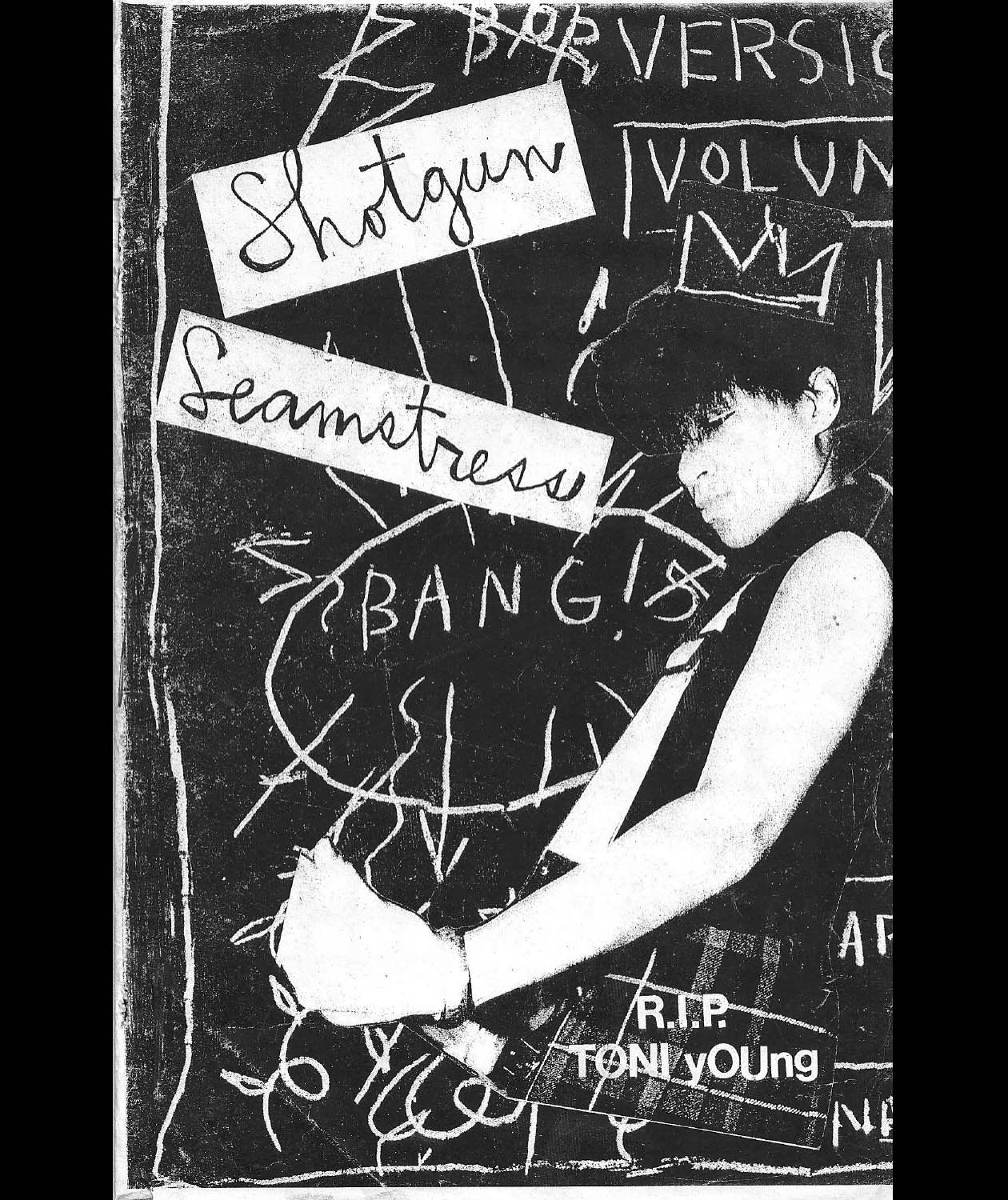
Osa Atoe's Shotgun Seamstress
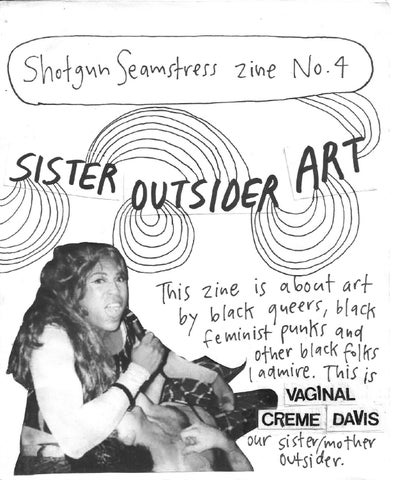
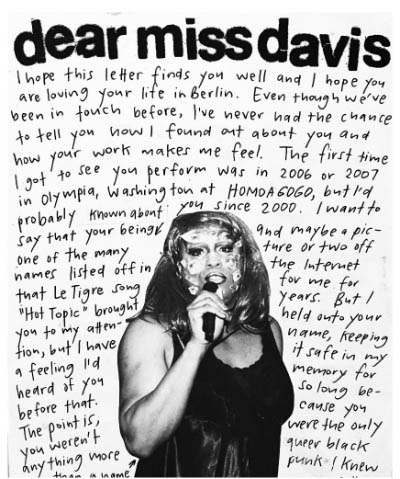
Tammy Rae Carland’s “I ❤️ Amy Carter"


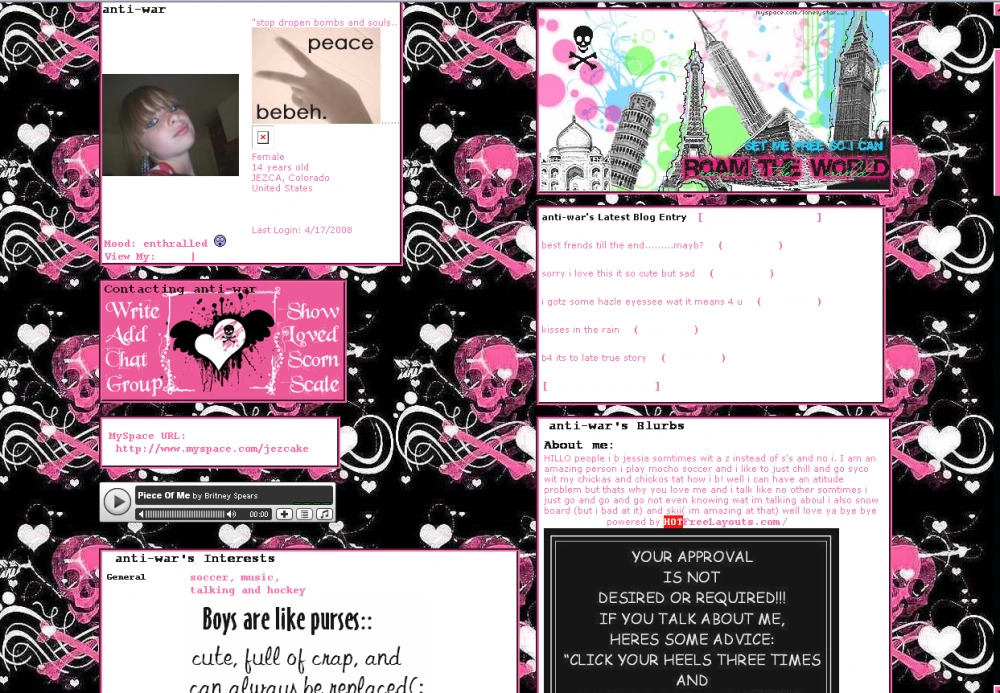
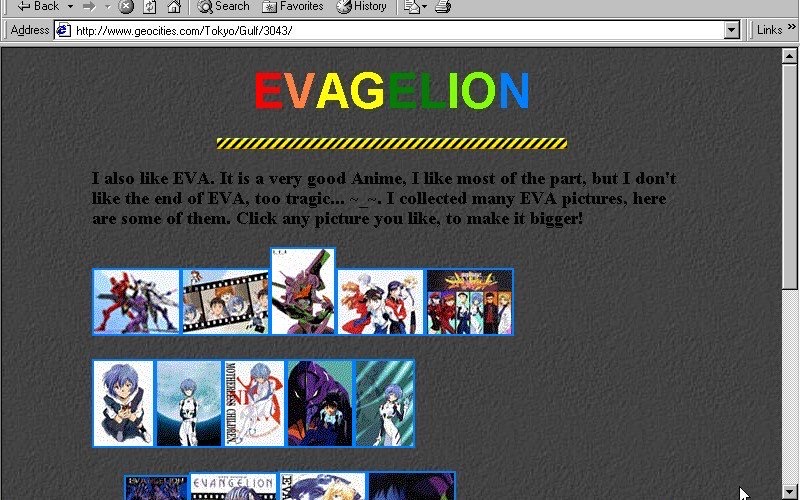

Images sourced via localghost or vintage tech tumblr blogs I've since forgotten the names of.


1 Diana W. Anselmo, A Queer Way of Feeling: Girl Fans and Personal Archives of Early Hollywood (University of California Press, 2023): 108-09.